

Residential vs Commercial Interior Design: Key Differences Explained
Although residential and commercial interior design share creative principles, they serve very different purposes. Understanding these differences helps clients choose the right design approach for their projects.
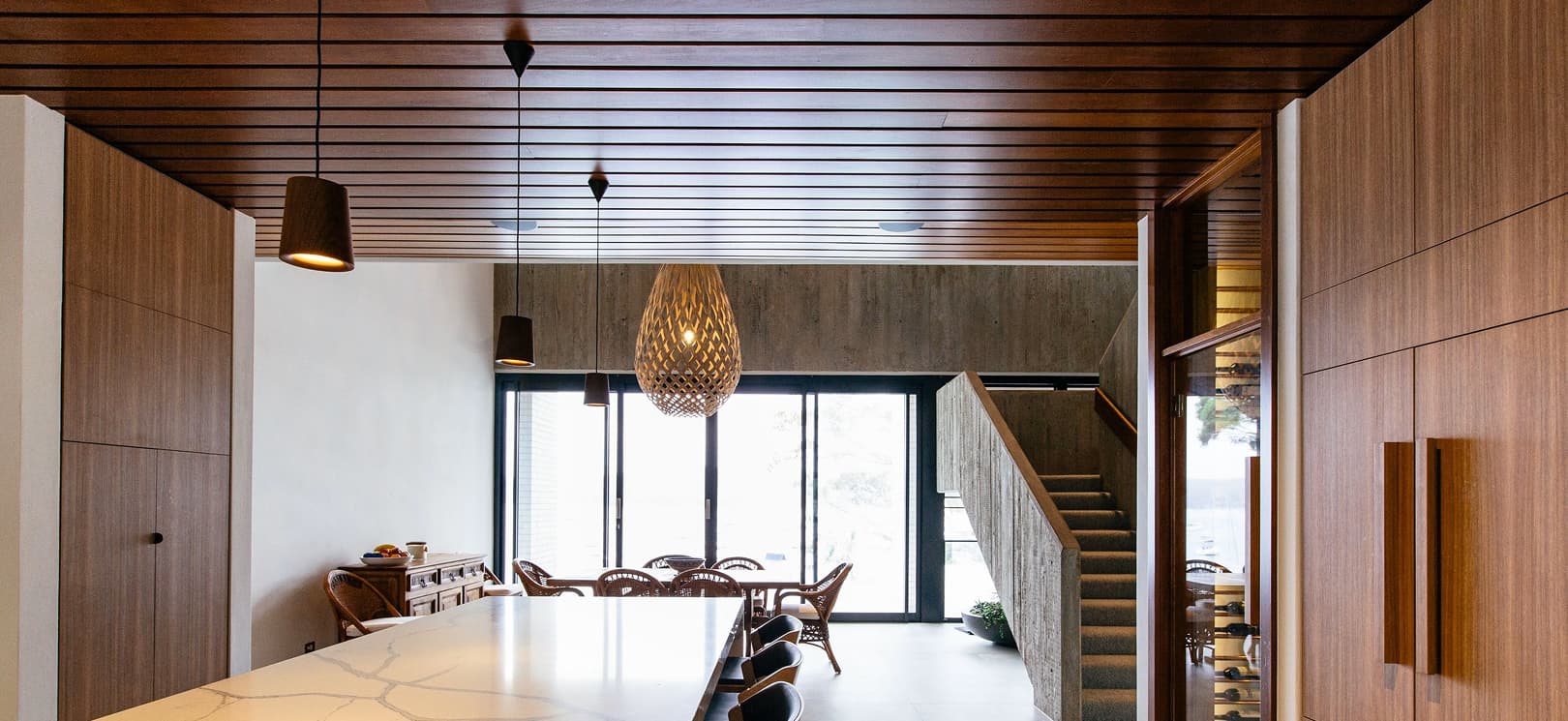
Residential interior design focuses on comfort, personalization, and lifestyle needs. Designers create spaces that reflect homeowners’ tastes while promoting relaxation and daily functionality. Elements such as warm textures, customized furniture layouts, and personal décor play a major role.
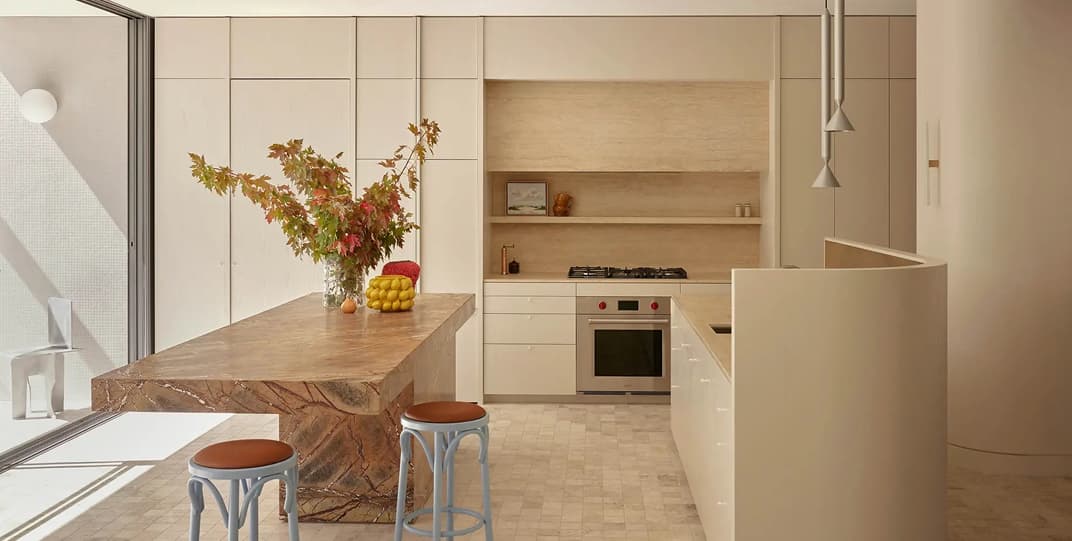
Commercial interior design, on the other hand, prioritizes efficiency, branding, and customer experience. Offices require ergonomic layouts that support productivity, while retail spaces focus on visual merchandising and customer flow.
“Working with Graceful Interiors completely transformed our home. They understood exactly the kind of modern yet comfortable space we wanted for our family. From the color selection to furniture placement and lighting, every detail was carefully planned. The team was professional, respectful of timelines, and very easy to work with. Our living room now feels elegant and welcoming, and visitors always compliment the design. I highly recommend Graceful Interiors to anyone looking for quality interior design services in Ghana.”
Ama Owusu – East Legon, Accra


Durability is another key difference. Commercial spaces use materials designed to withstand heavy traffic, while residential interiors emphasize comfort and aesthetics.
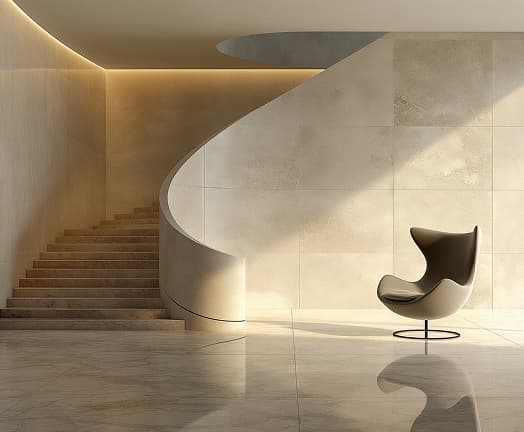
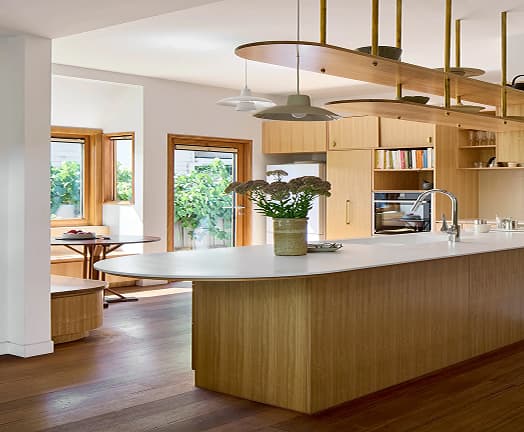
Lighting strategies also vary. Homes often use ambient and decorative lighting for atmosphere, whereas commercial environments rely on functional lighting that enhances performance and visibility.
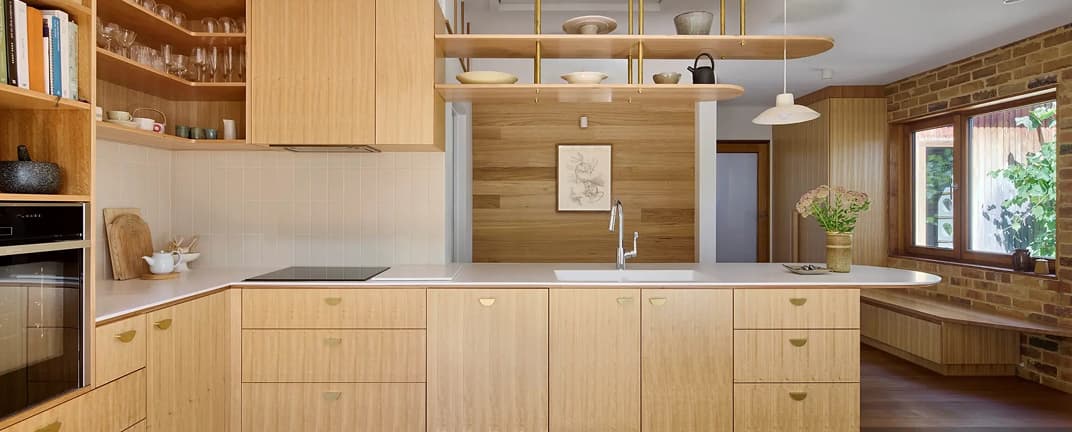
At Graceful Interiors, we tailor each project according to its purpose. Whether designing a home or business environment, understanding user behavior ensures interiors remain both functional and visually compelling.